
Backmesh Wire for Warehouse Racking: Functions, Benefits, and Safety Considerations
Backmesh Wire for Warehouse Racking: Functions, Benefits, and Safety Considerations
Warehouse safety is not just about having a strong and reliable racking system. It’s also about ensuring that stored goods don’t pose risks to people and activities around them.
Without adequate protection, falling goods can lead to product damage, inventory losses, and workplace safety hazards.
So, how can warehouses minimize these risks?
Let us introduce you to one of racking accessories worth considering: backmesh wire.
What Is Backmesh Wire?
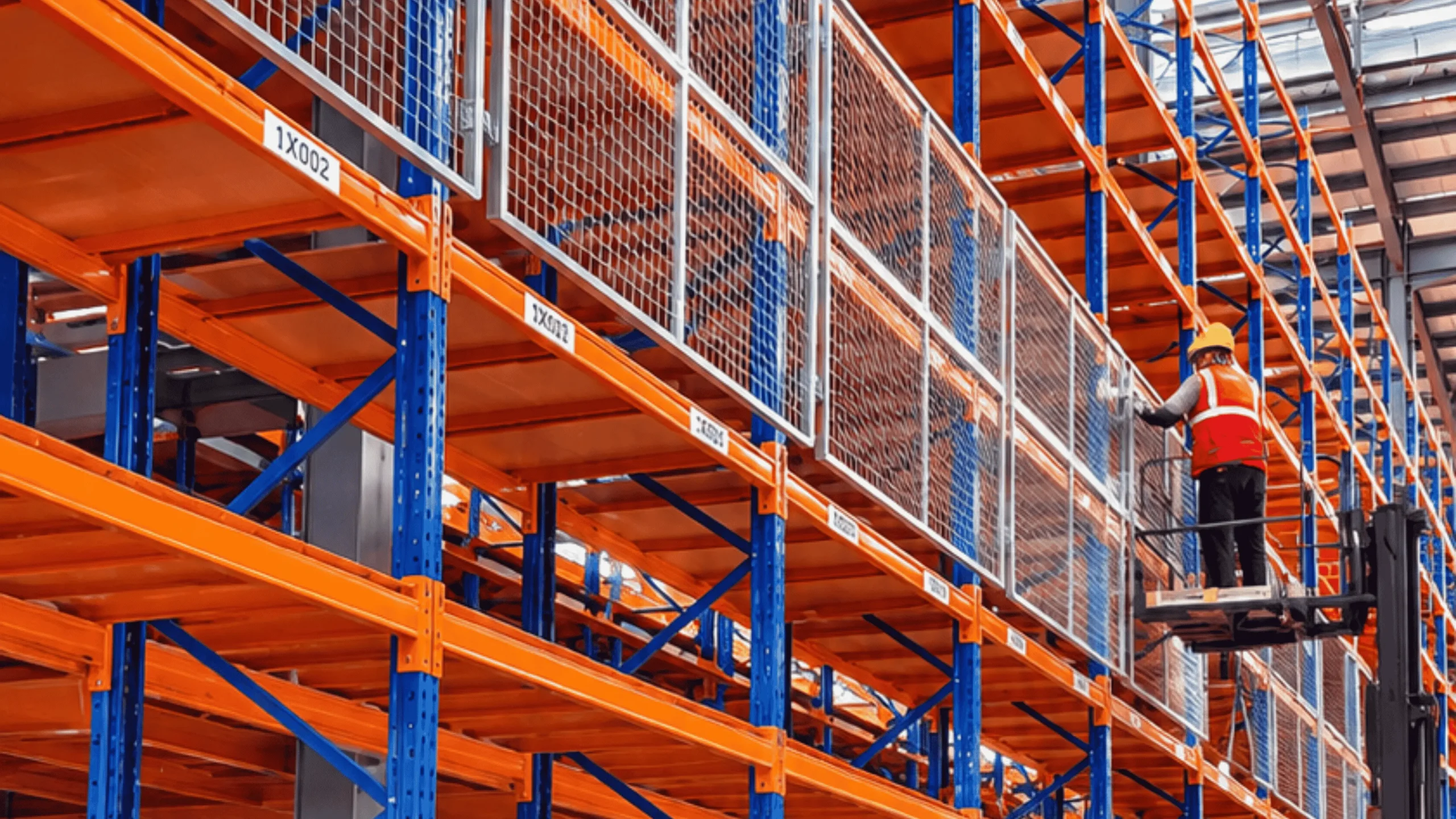
Backmesh wire is a metal wire mesh panel installed at the rear or sides of warehouse racking systems. It serves as an additional protective barrier to help prevent stored goods from falling into surrounding areas.
Commonly used in pallet racking systems, backmesh wire is particularly useful when racks are positioned near pedestrian walkways, workstations, or other active warehouse areas.
It helps contain goods that may shift or fall during daily operations, reducing potential risks to workers, equipment, and nearby storage areas.
However, backmesh wire is an additional safety measure, not a replacement for proper storage practices and racking safety procedures.
Backmesh Wire vs. Safety Netting vs. Wire Mesh Decking
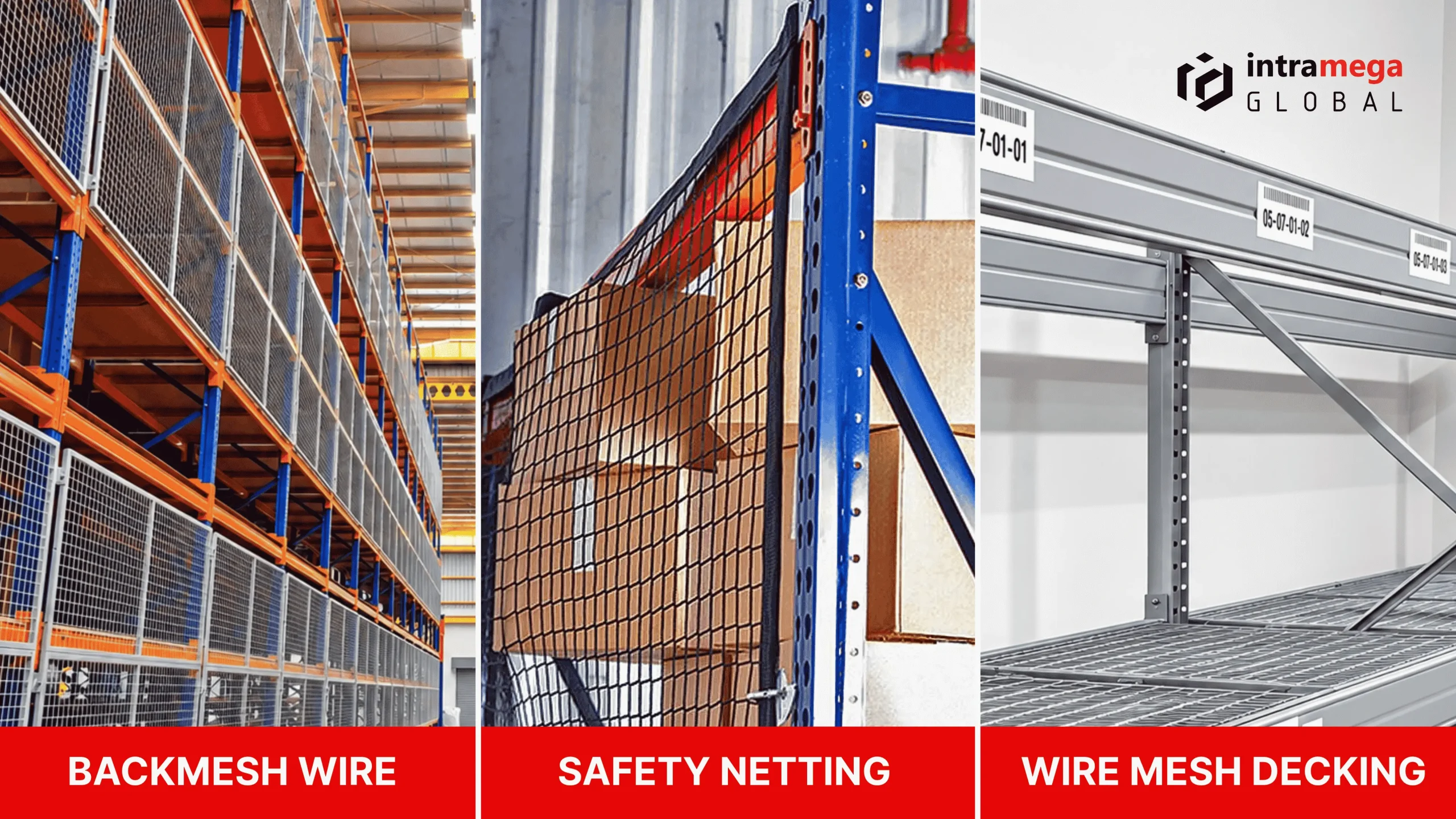
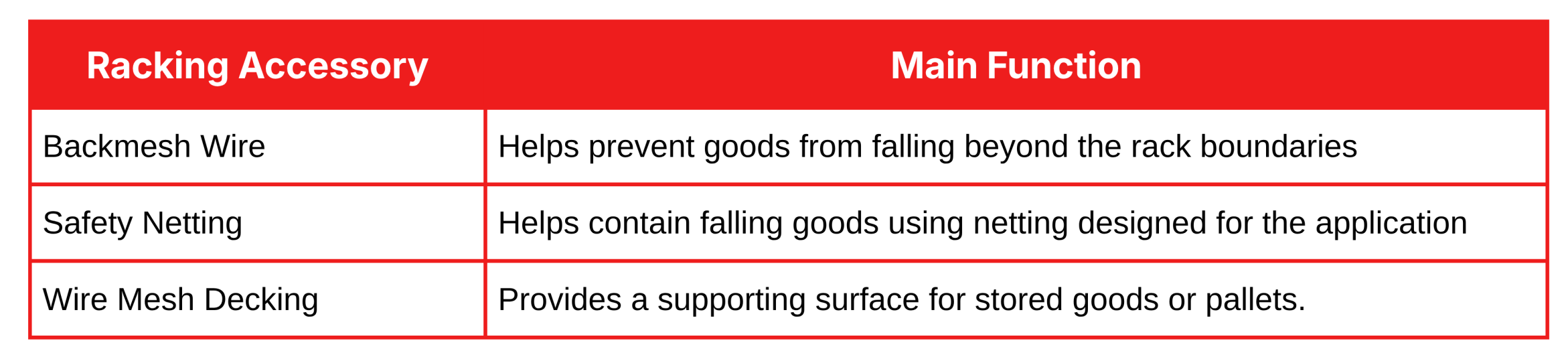
Backmesh wire is sometimes confused with other warehouse safety accessories, such as safety netting and wire mesh decking.
Although they may look similar, each serves a different purpose.
How Does Backmesh Wire Work?
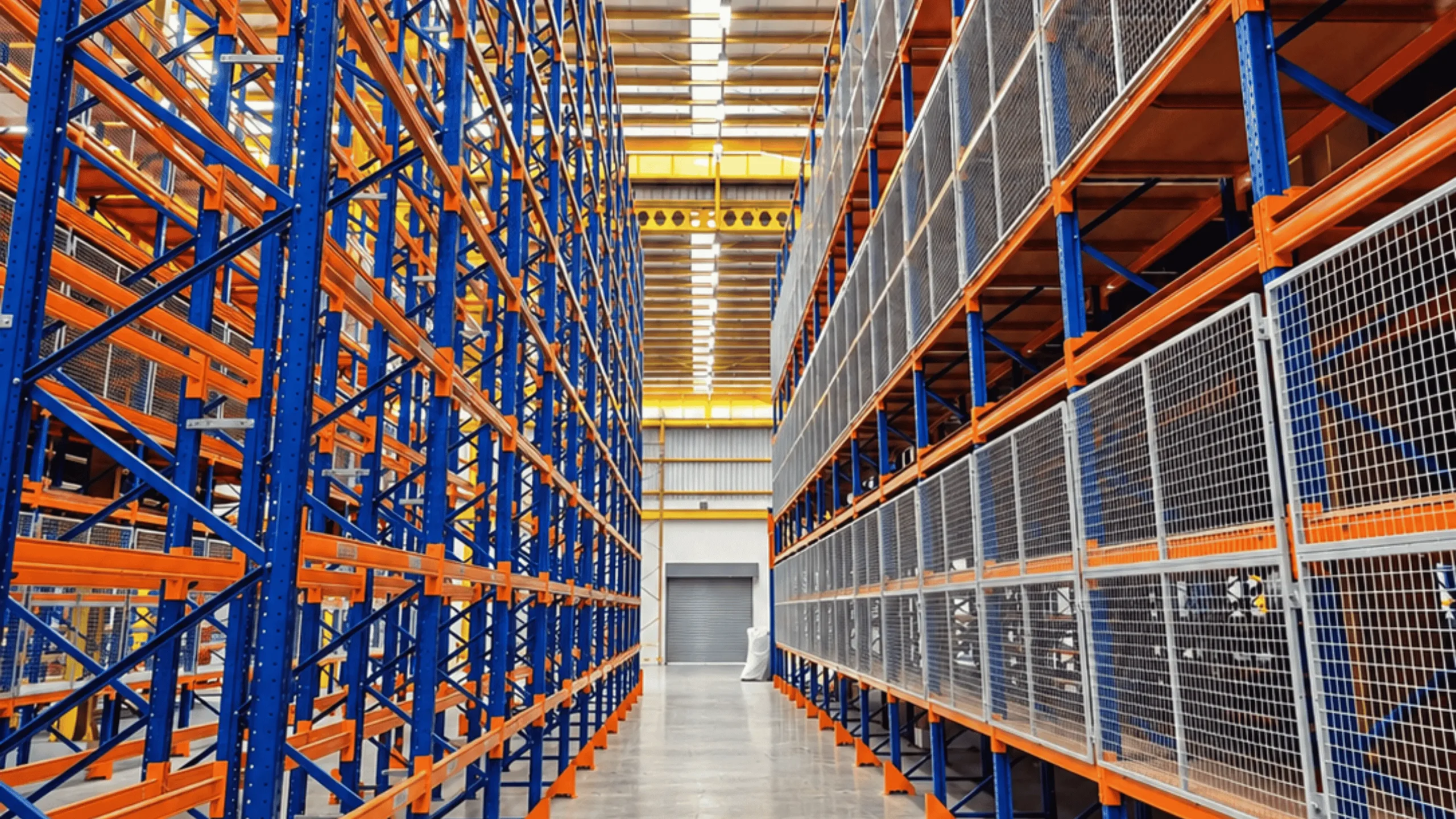
Backmesh wire works through a combination of mesh panels and a mounting system designed to help prevent goods from moving out of the racking area.
However, its effectiveness depends not only on the presence of the panels but also on their installation position, their connection to the rack structure, and the suitability of the mesh design for the storage requirements.
#1 Mesh Panels as a Physical Barrier
The first consideration is how much of the racking area needs to be protected.
Backmesh wire panels should be positioned to cover areas where goods could potentially fall. If the panels are too short or leave gaps between sections, some goods may still pass through the unprotected areas.
#2 Bracket System and Panel Installation
Brackets are used to securely attach backmesh wire panels to the racking structure.
In some systems, they also create space between the panels and the rack frame to ensure proper positioning without interfering with stored goods.
However, not all mounting systems are compatible with every type of racking. It’s important to make sure that the brackets, fastening points, and installation methods are suitable for both the panels and the rack structure.
Using incompatible components may affect installation stability and reduce the effectiveness of the protective system.
#3 Mesh Aperture Size
Mesh aperture size determines the size of the openings in the panel.
The right mesh aperture size depends on the dimensions and shape of the stored goods. If the openings are too large, smaller items may still pass through when they shift from their storage positions.
Consultant Tip! 💡
All these 3 elements need to be considered together to achieve the intended protective function.
It’s also important to check the manufacturer’s technical specifications, as the ability of backmesh wire to withstand particular loads or impacts depends on the panel construction and installation system.
Key Benefits of Using Backmesh Wire
Here are 3 key benefits of using backmesh wire in your warehouse:
#1 Reduce the Risk of Product Damage and Inventory Loss
When goods fall from pallet racking, they can become damaged, unsellable, or require additional handling. These incidents may lead to inventory losses and unexpected operational costs.
Backmesh wire helps reduce these risks by providing an additional barrier that limits goods from falling beyond the racking area.
However, its effectiveness depends on proper installation and compatibility with the stored goods.
Backmesh wire does not guarantee that all goods will be contained, particularly if the design or installation does not meet the storage requirements.
Therefore, its use should be combined with proper storage practices, including stable goods placement and compliance with rack load capacity limits.
#2 Supporting Protection for Work Areas Around Racks
Warehouse safety involves not only the condition of goods stored on racks but also the activities taking place in the surrounding areas.
Without adequate protection, falling goods can endanger workers or damage nearby equipment.
In this situation, backmesh wire provides an additional layer of protection between stored goods and surrounding work areas, helping reduce exposure to falling-object hazards.
Keep in mind that backmesh wire does not replace proper pedestrian walkway separation, safe material handling procedures, or other warehouse safety measures.
#3 Supporting Warehouse Operational Risk Management
Falling goods can disrupt warehouse activities beyond the immediate product damage.
By helping contain goods within the racking area, backmesh wire can reduce the likelihood of these disruptions.
However, its benefits cannot be separated from rack conditions, goods handling practices, and the maintenance of protective components.
Regular inspections of the panels and their mounting systems are also necessary to identify damage, deformation, corrosion, or loose connections.
Applications of Backmesh Wire in Warehousing
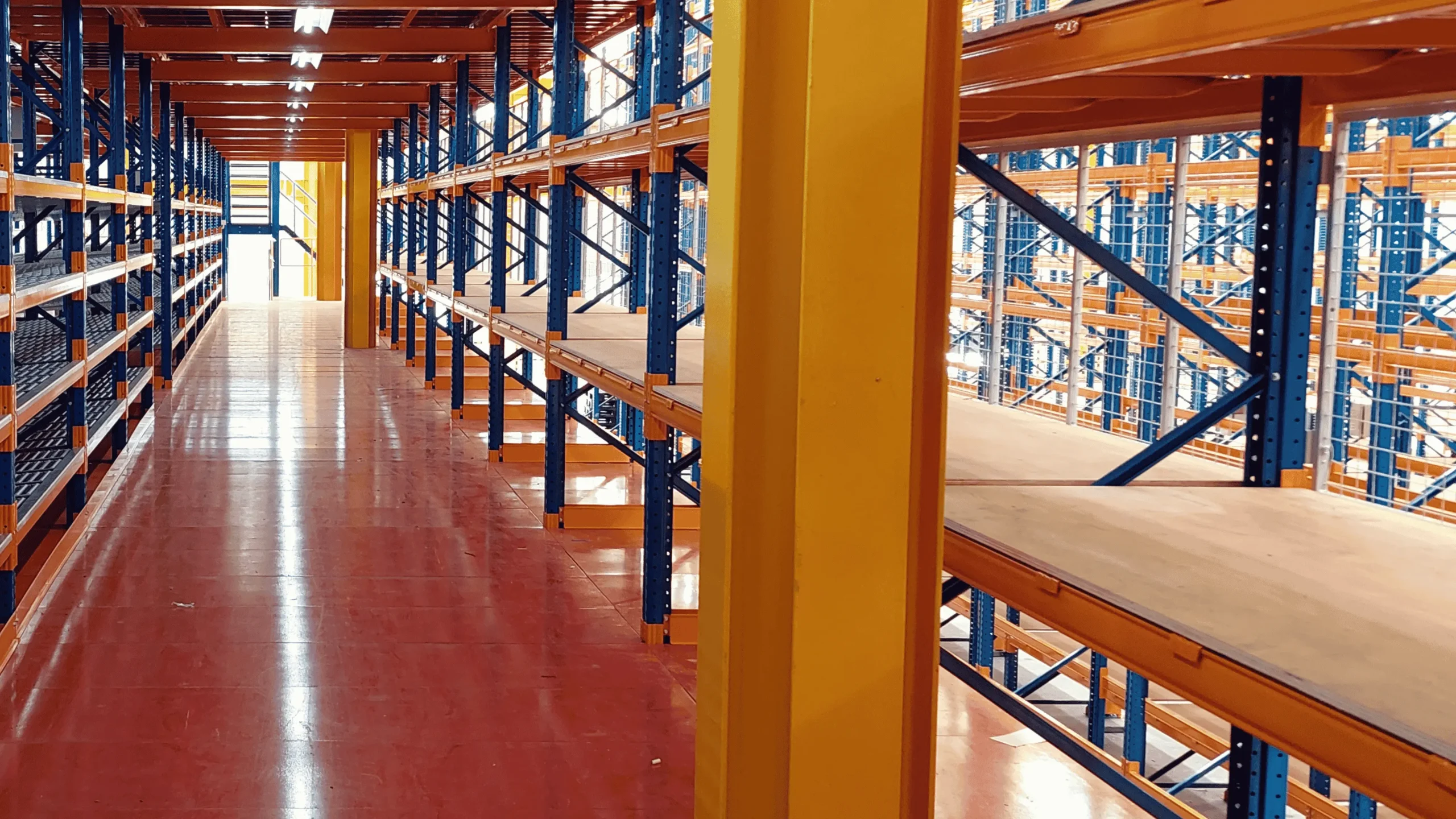
#1 Warehouses and Distribution Centers
Warehouses and distribution centers handle continuous activities, from receiving and storage to order picking and shipping.
In these facilities, backmesh wire can be installed on pallet racking systems, particularly where storage racks are located near operational aisles or other active working areas.
#2 Racking Near Pedestrian Walkways or Work Areas
Racks positioned with their rear sides near pedestrian walkways, workstations, or order-picking areas require special attention during safety planning.
In these configurations, the level of risk depends not only on how goods are stored but also on the presence of people working on the other side of the racks.
#3 Multi-Level Racking Systems and Mezzanine Areas
In multi-level storage systems and mezzanine areas, differences in elevation and storagte area positioning can affect warehouse safety requirements.
Goods stored at higher levels may have greater risks if they fall, particularly when work areas or traffic routes are located below or behind the racks.
Therefore, additional protective measures, such as backmesh wire, can help reduce falling-object risks in these areas.
#4 Storage Areas with Different Goods Sizes & Characteristics
Not all warehouses store goods of the same size or shape. Some handle large cartons, while others store smaller packages or irregularly shaped items.
These differences affect the type of backmesh wire required.
The key is to match the mesh design with the characteristics of the stored goods, rather than relying on a standard panel configuration.
Ultimately, backmesh wire should be determined through an assessment of the warehouse’s conditions, rather than solely on the type of facility.
Key Factors to Consider When Choosing Backmesh Wire
Backmesh wire is typically made from steel wire panels with a grid-like structure.
Unlike solid panels, the open mesh design allows visibility through the racks while providing an additional barrier against falling goods.
However, not all backmesh wire panels are the same. Their specifications can vary depending on the racking system and storage requirements.
So, before installation, here are 6 important factors to consider:
#1 Type, Size, and Characteristics of Stored Goods
The size, weight, shape, and stability of stored goods can influence the type of protection required.
#2 Mesh Grid Size
If the openings are too large, smaller items may still pass through the panels. In some cases, finer mesh openings or additional protective components may be necessary.
#3 Material and Panel Quality
Backmesh wire is commonly made from steel, but its durability also depends on the panel construction, wire connections, and protective coating.
Consider the warehouse environment, particularly if the panels will be exposed to moisture or conditions that may cause corrosion.
#4 Rack Configuration and Installation Space
Before selecting backmesh wire, check the dimensions and configuration of your existing racking system.
Factors such as rack height, beam positions, frame dimensions, and available installation space can affect panel positioning and coverage.
#5 Installation Method and Compatibility
Make sure the panels, brackets, and fasteners are suitable for your rack structure and follow the manufacturer’s installation specifications. If modifications to the existing racks are required, they should be evaluated by a qualified professional.
#6 Technical Specifications, Inspection, and Maintenance
Before installation, review the manufacturer’s technical documentation, including panel dimensions, material specifications, installation requirements, and usage limitations.
It’s also important to understand that the rack’s Safe Working Load (SWL) does not represent the backmesh wire’s capacity to withstand impacts or contain falling goods.
After installation, conduct regular inspections to identify potential issues such as damaged panels, corrosion, deformation, or loose connections.
Consultant Tip! 💡
Keep in mind that backmesh wire specifications may vary between manufacturers. The appropriate panel design should always be selected based on the racking system and warehouse operational requirements.
Improve Your Warehouse Safety with Backmesh Wire!
Backmesh wire may seem like a simple racking accessory, but it plays an important role in supporting warehouse safety.
By providing an additional protective barrier, it can help reduce the risks of falling goods, protect surrounding work areas, and minimize potential operational disruptions.
At Intramega Global, we help businesses design and implement warehouse racking solutions that consider storage capacity, operational efficiency, and safety requirements.
You can contact our team to discuss more about your operation needs: +62 811 9121 231