
Push-back racking is a high-density pallet storage system that uses inclined rails or carts to store pallets multiple positions deep.
Pallets are loaded from the aisle and pushed back into the lane. When a pallet is retrieved, the remaining pallets automatically move forward to the picking position. This allows high storage density while keeping forklifts at the aisle—helping reduce rack impact and improve operational safety.
Why Push-Back Racking is Suitable for You
01
High-Density Storage with Fewer Aisles
By storing pallets several positions deep, you can significantly increase storage capacity compared to selective racking.
02
Reduced Forklift Entry and Rack Damage
Forklifts operate only at the aisle face, minimizing entry into the racking structure and lowering the risk of impact damage.
03
Efficient for Medium-SKU, High-Volume Inventory
Each lane supports one SKU, making the system suitable for operations with moderate SKU variety and multiple pallets per SKU.
04
Simple LIFO Operation
The Last-In, First-Out (LIFO) flow is ideal for products without strict FIFO or expiry requirements.
How Does Push-Back Racking Work?
Push-back racking consists of storage lanes equipped with inclined rails or wheeled carts that allow pallets to be stored multiple positions deep.
When a pallet is placed into the lane, it pushes the existing pallets backward along the rail or cart system. During retrieval, the front pallet is removed, and gravity causes the remaining pallets to roll forward to the aisle.
Lane depth, rack height, and load capacity are designed based on pallet weight, handling equipment, and throughput requirements.
This system delivers high storage density with smooth pallet flow, while keeping forklift movement efficient and controlled.
System Structure
Push-back racking systems include the following main components:
- Frames and beams – structural elements supporting the system
- Inclined rails or carts – enabling pallet movement within each lane
- Front pallet stops – ensuring safe pallet positioning at the aisle
Optional safety and protection features include:
- Rack upright and frame protectors
- Guide rails at lane entrances
- Load signage and safety labeling
- End-of-aisle impact protection
These components help maintain safe operation and extend system lifespan.
Explore Our Case Studies
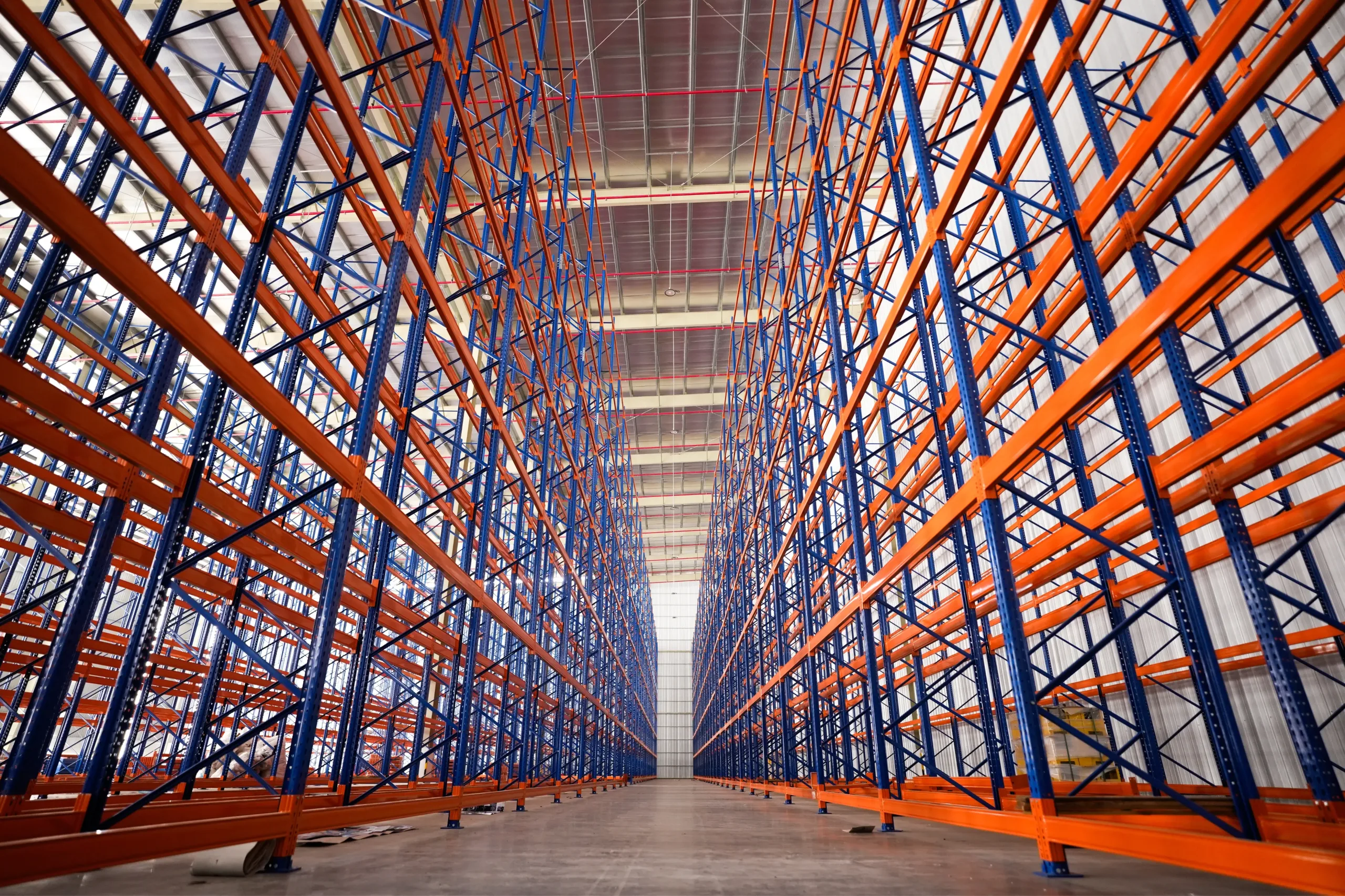
See some selected examples of Push-Back Racking projects implemented across customer sites.


Other Storage Systems
Loading failed
Talk to Our Experts
Let’s discuss how we can help streamline your warehouse operations and reduce inefficiencies.