
Shuttle pallet racking is a semi-automated, high-density storage system where pallets are moved inside storage lanes using a motorized shuttle instead of forklifts.
By separating pallet movement from forklift travel, this system significantly improves storage density, throughput, and operational safety. Shuttle pallet racking is ideal for warehouses handling high pallet volumes per SKU and looking to increase efficiency without fully automating the warehouse.
Why Shuttle Pallet Racking is Suitable for You
01
High-Density Storage with Faster Throughput
Pallets are stored deep within lanes, maximizing storage capacity while enabling fast loading and retrieval using shuttle vehicles.
02
Reduced Forklift Travel and Labor Dependency
The system is well suited for operations where storage density is more critical than simultaneous multi-aisle access.
03
Improved Operational Safety
By minimizing forklift entry into racking lanes, the system significantly lowers the risk of accidents and structural damage.
04
Scalable Semi-Automated Solution
Additional shuttles can be introduced as throughput increases, allowing the system to scale with operational growth.
How Does Shuttle Pallet Racking Work?
Shuttle pallet racking uses a motorized shuttle that runs on rails inside each storage lane to transport pallets to and from their storage positions.
Forklifts place pallets onto the shuttle at the front of the lane. The shuttle then carries the pallet to the assigned position within the lane. During retrieval, the shuttle brings the pallet back to the aisle for forklift pickup.
System configuration—including lane depth, rack height, load capacity, and number of shuttles—is designed based on pallet characteristics, throughput requirements, and operational flow.
This setup allows warehouses to achieve very high storage density with improved speed and safety.
System Structure
Shuttle pallet racking systems consist of the following key components:
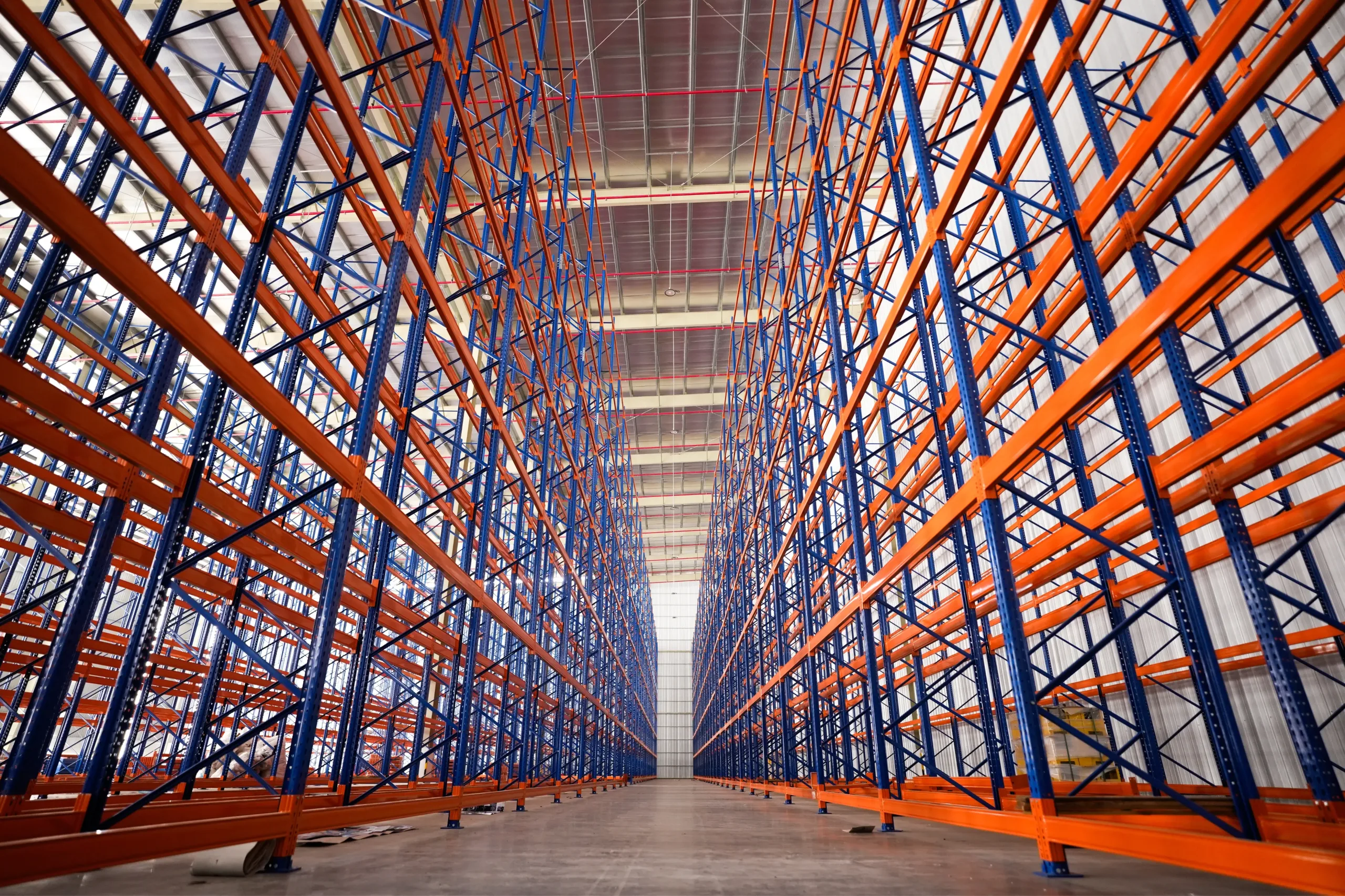
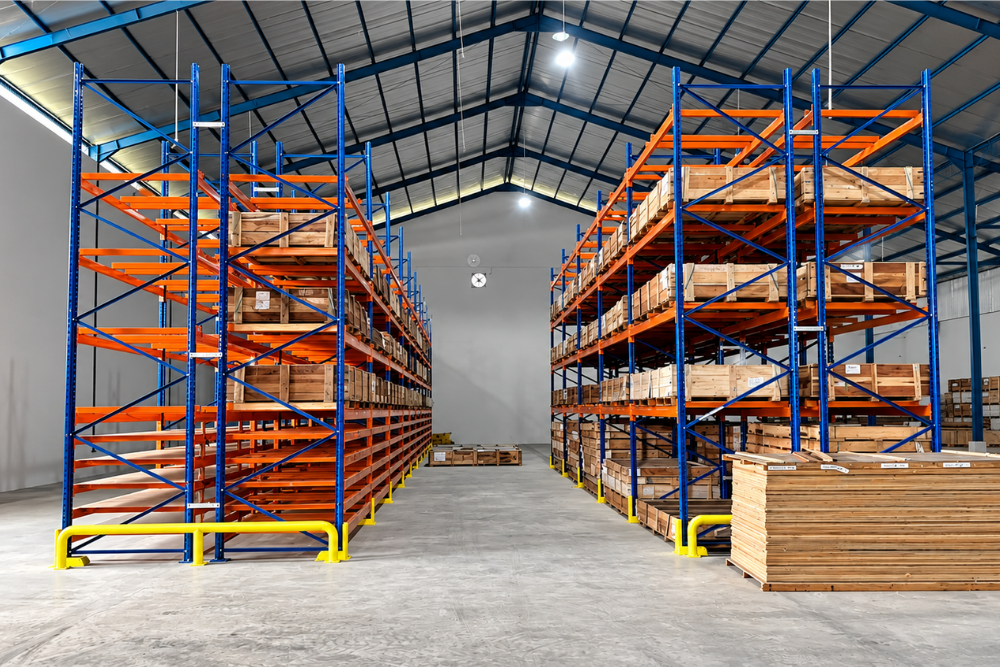
- Racking structure – heavy-duty frames and beams designed for deep-lane storage
- Shuttle vehicles – motorized units that move pallets inside the lanes
- Rails – guide tracks mounted on racking beams
Optional system features include:
- Multiple shuttles per system to increase throughput
- Battery charging stations
- Pallet centering and positioning guides
- Safety sensors and system status indicators
- Load signage and rack protection components
These elements ensure reliable operation, flexibility, and long-term system performance.
Explore Our Case Studies
See some selected examples of Shuttle Pallet Racking projects implemented across customer sites.

Other Storage Systems
Loading failed
Talk to Our Experts
Let’s discuss how we can help streamline your warehouse operations and reduce inefficiencies.