
Conveyor and sorting systems automate the movement and distribution of goods across different warehouse zones—such as receiving, storage, picking, packing, and shipping.
By replacing manual transport and decision-making with system-controlled flow, these systems increase throughput, reduce handling time, and improve accuracy. Conveyor and sorting solutions are ideal for warehouses with high volumes, multiple process zones, or time-critical order fulfillment.
Why Conveyor and Sorting System is Suitable for You
01
Continuous and Efficient Material Flow
Automates the movement of goods between processes, reducing manual handling and eliminating transport bottlenecks.
02
High Throughput for Order Fulfillment
Designed to handle large volumes consistently, supporting peak operations and fast order cycles.
03
Accurate and Automated Sorting
Sort goods by order, destination, route, or priority with system-driven logic, reducing manual errors.
04
Scalable and Modular Design
Systems can be expanded or reconfigured as volumes, zones, or process requirements change.
How Does Conveyor and Sorting System Work?
Conveyor systems transport goods along predefined paths using motor-driven rollers or belts, while sorting systems automatically divert items to the correct destinations.
Goods are inducted onto the conveyor from upstream processes such as picking or storage. As items move through the system, scanners or sensors identify them, and sorters route them to the appropriate chute, lane, or outbound area based on system instructions.
System layout, conveyor type, sorter technology, and throughput capacity are designed based on item characteristics, order profiles, and operational flow. The system is typically integrated with WMS or control software to ensure synchronized execution.
This setup enables fast, consistent, and automated movement and sorting of goods across the warehouse.
System Structure
Conveyor and sorting systems typically include:
- Conveyors – belt, roller, or modular conveyors for transport
- Sorters – divert, cross-belt, tilt-tray, or pop-up sorting mechanisms
- Induction and discharge stations – entry and exit points
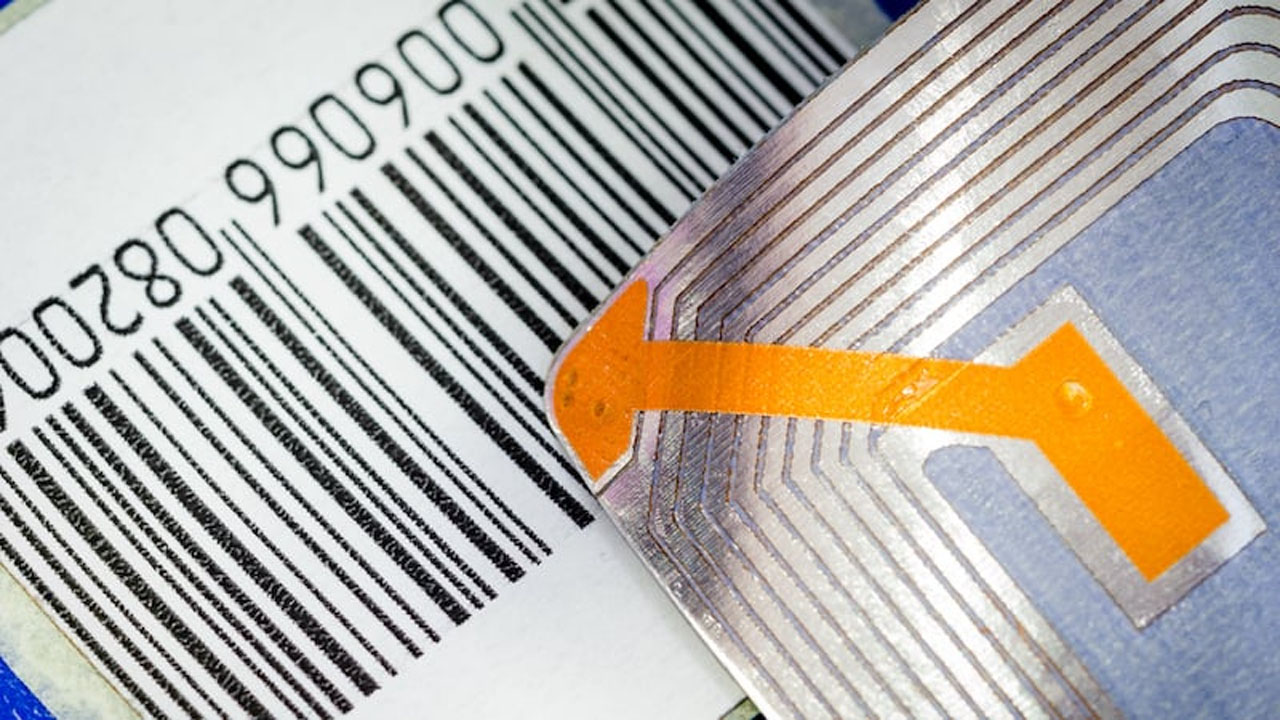
- Scanners and sensors – identifying items and triggering sort logic
- Control software (WCS) – managing flow, routing, and priorities
Optional features and enhancements include:
- Buffer and accumulation zones
- Dynamic routing and congestion control
- Integration with picking, packing, and shipping stations
- Performance monitoring dashboards
- Safety systems and emergency stop controls
Explore Our Case Studies
See some selected examples of Conveyor and Sorting System projects implemented across customer sites.


Other Storage Systems
Loading failed
Talk to Our Experts
Let’s discuss how we can help streamline your warehouse operations and reduce inefficiencies.